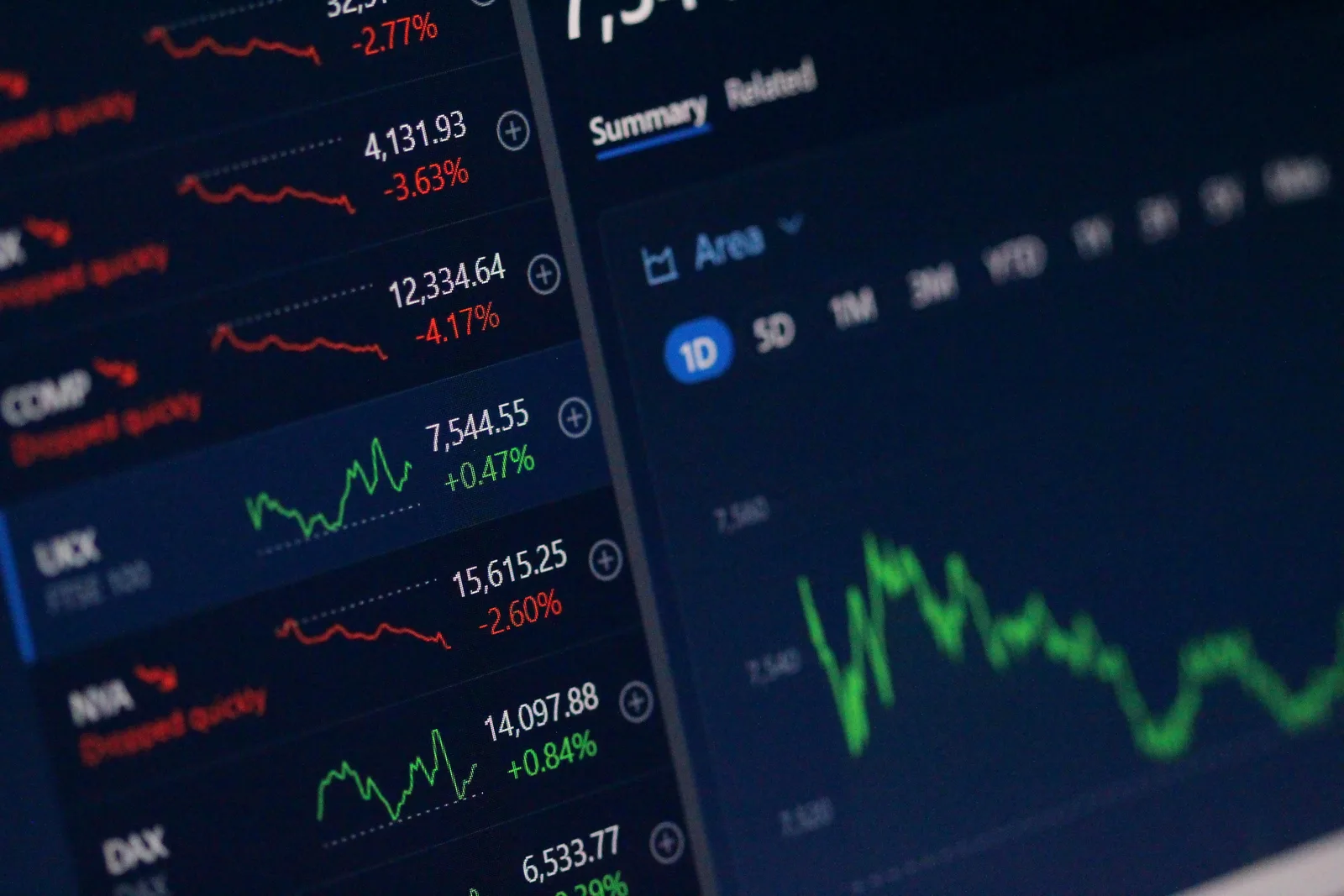
Volatility has always been a defining feature of financial markets. This is because both the world we live in and markets themselves are far from efficient, let alone perfect.
It’s now widely acknowledged that the period between the end of the global financial crisis of 2007–2008 and the advent of the COVID-19 pandemic in 2020 represented something of a “golden age” for investors. Massive liquidity, ultra-low interest rates and subdued inflation all helped.
The picture is rather different today. What would once have qualified as significant volatility might now be considered a “new normal”.
Knee-jerk reactions are rarely prudent. It’s far more useful to appreciate why volatility occurs and why the decisions taken before a downturn tend to matter much more than those taken in the midst of one.
The Switchpoint team
As a result, even the most patient investor may occasionally feel tempted to act when the graphs suddenly turn red and words like “turmoil”, “freefall” and “rout” are bandied about.
Yet knee-jerk reactions are rarely prudent. It’s far more useful to appreciate why volatility occurs and why the decisions taken before a downturn tend to matter much more than those taken in the midst of one.
Investing’s essential trade-off
Historically, investing in the shares of companies has offered the potential for higher long-term returns than holding cash. It’s vital to acknowledge that this potential doesn’t come free.
The trade-off is that markets can both rise and fall – sometimes by a great deal and sometimes for reasons that have little to do with the merits or otherwise of their underlying businesses.
We all know, for example, that markets can be impacted by geopolitical and geoeconomic uncertainty. Wars, trade tariffs, global health crises – it’s the unforeseen that usually provides the spark.
Even the sphere of investment analysis can trigger a plunge nowadays. This is due to the short-term outlook that many analysts have adopted in light of the rise of hedge funds and high-frequency trading. Problems can occur if an analysis proves overly positive, as market participants might interpret a company’s unexpected underperformance as a sign of permanent underperformance.
Yet even persistent volatility doesn’t mean a financial plan should be torn up on the spot – quite the contrary. Volatility is one of the eventualities that a good financial plan is designed to withstand.
The value of a considered response
The temptation during a sharp fall can be to exit markets and wait for things to settle. But two things must happen for this to work well: you must find the right time to exit and the right time to re-enter.
The chances of succeeding on both counts are slim, to say the least. This is why “Time in the markets beats timing the markets” is one of investing’s most grounded maxims.
History tells us that markets enjoy some of their strongest days in the immediate aftermath of some of their weakest. Missing out on even a handful of these days can have an outsized impact on long-term outcomes.
This isn’t to suggest you should never make changes. There’s always scope for the sensible readjustment of portfolios, including in light of market developments.
Yet there’s seldom any sense in throwing the baby out with the bathwater. Portfolios should be rebalanced deliberately and in line with a plan rather than in an emotional overreaction to negative headlines.
The long-term view
Ultimately, the best investment decision is often the one you don’t make on a bad day. It’s the one that allows you to stay the course, maintain a long-term view and stick to a plan that emphasises the following key considerations:
- A cash reserve to cover near-term spending, particularly in the event of an unforeseen market shock.
- A prudent spread of investments across different types of assets, geographies, industries and sectors to enhance diversification and minimise concentration risk.
- A clear purpose for each pot of money, which makes it easier to judge whether a market fall actually affects your objectives.
- An agreed approach to rebalancing, which should be decided upon calmly and in advance rather than improvised under pressure.
Much of our work with clients during periods of turbulence boils down to conversations. We talk through what has happened and consider the bigger picture. We reflect on the plan and readjust it if necessary.
The bottom line is that volatility is part and parcel of any lifelong financial journey. It can give rise to short-term uncertainty, yet it can just as easily present long-term opportunities. It might not be welcomed per se, but it deserves to be understood – and it can even be embraced.
This article is for general information only and does not constitute financial advice. The value of investments can fall as well as rise, and you may get back less than you invested. Please speak with an adviser before making any financial decisions. Past performance is not a reliable indicator of future results.
Switchpoint Wealth Management Limited is authorised and regulated by the Financial Conduct Authority; Firm Reference Number 1059781